
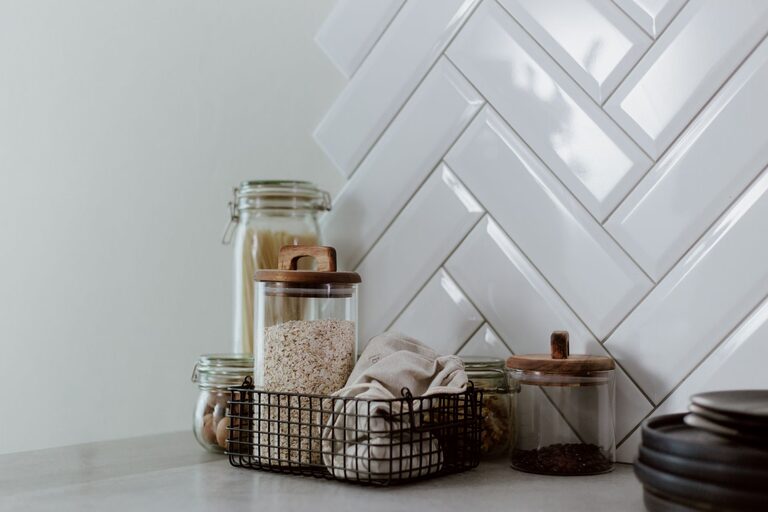
A clean and clutter-free kitchen counter not only looks inviting but also creates an efficient workspace for cooking and other daily tasks. If you often find your kitchen counters crowded with appliances, utensils, and other items, don’t worry. With a few smart strategies, you can organize your space and keep it clear, functional, and beautiful.
Why Keep Kitchen Counters Clutter-Free?
Having clear counters makes meal prep faster and safer. It reduces the risk of accidents, helps maintain cleanliness, and gives your kitchen a more spacious and calming feel. Beyond aesthetics, a decluttered counter means less cleaning time and better use of your kitchen space.
Step 1: Assess What You Really Use
Before decluttering, take a good look at your kitchen counters and identify what items you regularly use versus those that just take up space.
– List essential items: Appliances like a coffee maker or toaster you use every day.
– Identify rarely used appliances: Perhaps a bread maker or ice cream machine can be stored elsewhere.
– Look for duplicates: Multiple sets of knives or gadgets might be unnecessary.
Once you know what you use regularly, you can start removing everything else from the counters.
Step 2: Clear and Clean All Surfaces
Remove everything from your counters to start fresh. Clean the surfaces thoroughly with a suitable kitchen cleaner. This helps you appreciate your counters and motivates you to keep them clear.
Step 3: Create Zones for Different Activities
Dividing your kitchen counters into zones helps keep items where you need them most.
– Prep Zone: Near your sink or cutting board; keep knives, cutting boards, and mixing bowls here.
– Cooking Zone: Close to the stove; store frequently used utensils, spatulas, and oils nearby.
– Coffee/Breakfast Zone: If you have a coffee maker or toaster, dedicate a small corner for these.
Organizing by function reduces clutter and streamlines your cooking process.
Step 4: Use Smart Storage Solutions
Invest in storage solutions that make use of vertical space and hidden compartments.
– Wall-mounted racks or magnetic knife strips: Free up drawer and counter space.
– Under-cabinet hooks: Hang mugs, utensils, or small pots.
– Tiered shelves or corner organizers: Maximize counter corners without overcrowding.
Choosing the right storage can dramatically lower the number of items on the counter.
Step 5: Limit Countertop Appliances
While appliances are helpful, they can quickly overcrowd your counters.
– Keep only the appliances you use daily visible.
– Store other gadgets inside cabinets or pantry shelves.
– Consider multipurpose appliances to reduce the number you need.
Step 6: Manage Paperwork and Small Items
Kitchen counters often become a catch-all for mail, keys, and other miscellaneous items.
– Use a designated tray or basket to hold mail and papers.
– Have a small bowl or hook near the entrance for keys.
– Regularly sort and file or discard papers to prevent buildup.
Step 7: Daily Habits to Maintain Clarity
Decluttering is easier when you maintain good habits:
– Wipe counters after each use.
– Put away appliances and utensils after cooking.
– Clear mail and miscellaneous items daily.
– Regularly evaluate items on counters and remove what’s unnecessary.
Bonus Tips: Decorative Yet Functional
– Keep a small plant or herb pot to add life without clutter.
– Use matching containers for frequently used items like sugar or coffee.
– Choose sleek containers that double as decor and storage.
Conclusion
A clutter-free kitchen counter is achievable with thoughtful organization and consistent routines. By assessing your needs, creating functional zones, using smart storage, and limiting unnecessary items, you can enjoy a workspace that feels spacious and welcoming. Start with small changes today and enjoy the benefits of a tidy kitchen every day!