
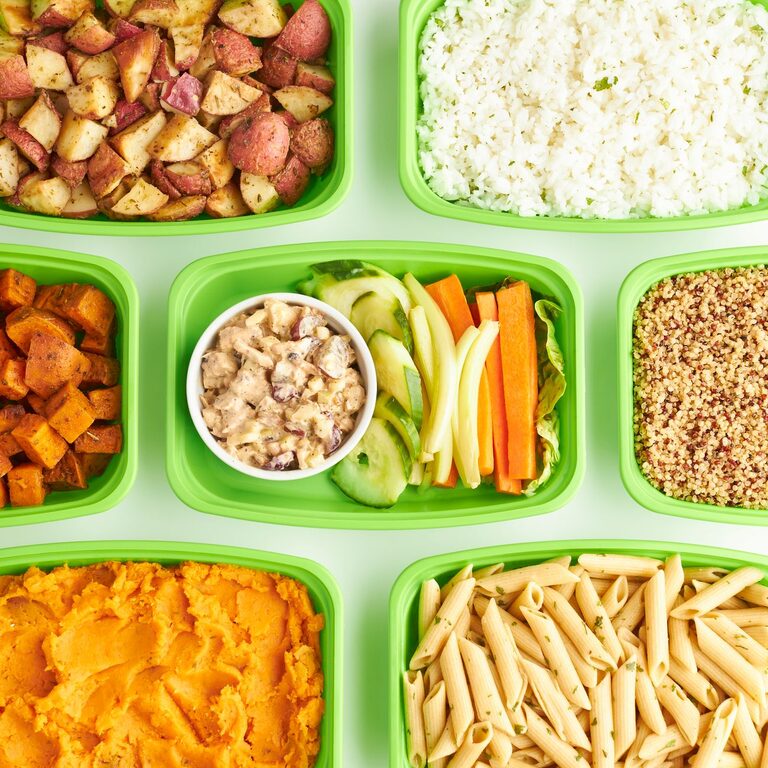
Planning balanced meals can sometimes feel overwhelming, especially with busy schedules and endless food choices. However, creating nutritious and satisfying meals doesn’t have to be stressful. With a little guidance and some practical strategies, you can easily plan meals that nourish your body and please your taste buds. This post will walk you through simple, effective steps to help you plan balanced meals without the headache.
What Does a Balanced Meal Mean?
A balanced meal includes a variety of foods in the right proportions to supply your body with essential nutrients. Typically, it consists of:
– Protein: Helps repair and build tissues (e.g., chicken, beans, fish, tofu)
– Carbohydrates: Provides energy, ideally from whole grains and vegetables
– Healthy Fats: Supports brain health and hormones (e.g., nuts, olive oil, avocado)
– Fruits and Vegetables: Packed with vitamins, minerals, and fiber
– Hydration: Water or unsweetened drinks to keep you hydrated
Eating a variety of these food groups each day helps maintain energy levels and supports overall health.
Step 1: Start With a Weekly Meal Plan
Planning your meals for the week is a simple way to reduce daily decision-making stress.
Why Plan Weekly?
– Saves time shopping and cooking
– Helps avoid last-minute unhealthy choices
– Reduces food waste by buying only what you need
How to Get Started
- Choose 3 to 5 dinners and build your lunches and breakfasts around leftovers or easy options.
- Use a calendar, paper planner, or meal planning app to write down your ideas.
- Include a mix of cuisines and meals you enjoy to keep things interesting.
Step 2: Keep Your Grocery List Simple and Smart
Once your meals are planned, create a grocery list organized by store sections for quick shopping.
Tips for Efficient Grocery Shopping
– Buy seasonal produce for freshness and better prices.
– Pick versatile ingredients like rice, eggs, and frozen vegetables.
– Check your pantry before shopping to avoid duplicates.
Having a clear list helps you stay focused and reduces time wandering aisles.
Step 3: Use Batch Cooking and Leftovers
Batch cooking means preparing several servings of a meal at once to use over multiple days.
Benefits of Batch Cooking
– Saves time on busy days
– Ensures you have healthy meals ready
– Minimizes stress from last-minute cooking
Simple Batch Cooking Ideas
– Make a large pot of soup or stew.
– Roast a whole chicken to use in salads, sandwiches, or dinners.
– Prepare grains like quinoa or rice in advance.
Use leftovers creatively by turning them into wraps, salads, or mixed bowls instead of eating the same dish repeatedly.
Step 4: Focus on Balanced Plates, Not Perfection
Don’t get caught up in making every meal perfectly balanced. Aim for variety throughout the day or week.
The Plate Method
– Fill half your plate with vegetables or salad.
– Reserve one quarter for lean protein.
– Use the remaining quarter for whole grains or starchy vegetables.
– Add a small amount of healthy fat like olive oil or avocado.
This method is a straightforward way to guide portion sizes and nutrient variety.
Step 5: Embrace Simple and Quick Recipes
Balanced meals don’t have to be complicated. Simple recipes can be just as nutritious and tasty.
Examples of Simple Balanced Meals
– Grilled salmon with steamed broccoli and quinoa
– Stir-fried tofu with mixed veggies and brown rice
– Omelet loaded with peppers, spinach, and a side of whole-grain toast
– Chicken and vegetable soup with a slice of whole wheat bread
Quick meals reduce stress and keep you motivated to eat healthy regularly.
Step 6: Listen to Your Body
Meal planning is flexible. Your appetite and preferences may change, so it’s important to adjust accordingly.
– Eat when you’re hungry, stop when satisfied.
– Swap ingredients or meals if you’re not in the mood.
– Don’t worry if every day isn’t perfectly balanced.
Balance is about overall patterns rather than one-off meals.
Final Tips for Stress-Free Meal Planning
– Prepare Ingredients Ahead: Chop vegetables or marinate proteins in advance.
– Use Convenience Wisely: Pre-washed salad greens or frozen fruit can save time.
– Keep Healthy Snacks Available: Nuts, yogurt, or fruit for easy nutrition between meals.
– Stay Hydrated: Drink plenty of water throughout the day.
– Be Kind to Yourself: Meal planning is a tool to help, not a strict rulebook.
—
By following these steps, planning balanced meals can become a smooth, stress-free part of your routine. Remember, small changes and consistent habits make a big impact over time. Enjoy the process of discovering new foods and recipes while fueling your body well!