
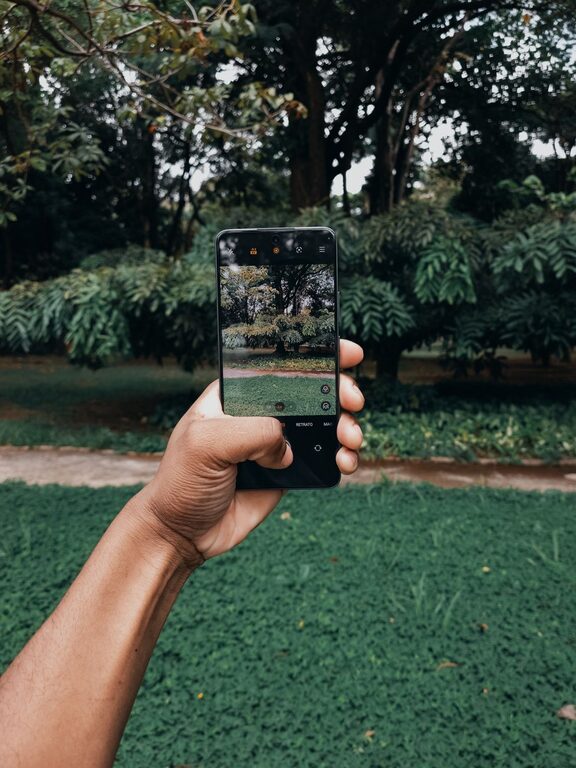
Taking great photos with your phone doesn’t require expensive equipment or advanced skills. With a few easy techniques and some practice, you can transform everyday shots into eye-catching images. Whether you want to capture memories, share on social media, or explore photography as a hobby, these beginner tips will help you get the most out of your smartphone camera.
Understand Your Phone’s Camera Features
Before diving into shooting, spend some time exploring your phone’s camera app. Modern smartphones have multiple settings and modes designed to improve your photos.
– Focus and Exposure: Tap the screen where you want the focus to be sharp. Most phones allow you to adjust exposure by sliding up or down on the screen.
– HDR Mode: High Dynamic Range (HDR) balances bright and dark areas for a clearer, more detailed image. Turn it on for landscapes or scenes with lots of contrast.
– Grid Lines: Enable grid lines (usually a 3×3 grid) in the settings to help you apply the rule of thirds, which improves image composition.
Keep Your Lens Clean
It’s easy to overlook the phone lens, but a dirty lens can cause blurry or foggy pictures. Wipe your lens gently with a soft cloth before starting your photography session.
Stabilize Your Shot
Blurry photos are often the result of camera shake. Use the following methods to keep your phone steady:
– Hold your phone with both hands and keep your elbows close to your body.
– Lean against a stable surface if possible.
– Consider using a small tripod or phone stand for extra stability.
Use Natural Light Whenever Possible
Lighting is one of the most important factors in photography.
– Shoot in natural light rather than indoor artificial lighting when you can.
– Avoid harsh midday sun; early morning or late afternoon light (often called golden hour) produces softer, warmer tones.
– If indoors, position your subject near a window for even lighting.
Frame Your Subject with Thoughtful Composition
Composition refers to how elements are arranged in your photo.
– Use the rule of thirds: Imagine your screen divided into nine equal parts using grid lines. Place your subject along these lines or intersections for a balanced look.
– Look for leading lines like roads, fences, or shadows that guide the viewer’s eye.
– Avoid cluttered backgrounds that distract from the main subject.
– Experiment with different angles—try shooting from low or high perspectives instead of straight-on.
Focus on the Subject
Make sure your camera’s focus is on the main subject by tapping on it on the screen. This ensures sharpness where you want it most.
Avoid Using Digital Zoom
Digital zoom reduces image quality by cropping and enlarging the image. Instead, move closer to your subject physically or crop the photo later when editing.
Experiment with Different Camera Modes
Your phone likely offers several shooting modes:
– Portrait mode creates a blurred background effect, highlighting your subject.
– Panorama captures wide scenes.
– Night mode helps capture better pictures in low light.
Try out these modes to see which works best for your scene.
Edit Your Photos Thoughtfully
Editing can enhance your photos but avoid overdoing it.
– Use simple editing apps to adjust brightness, contrast, saturation, or crop your images.
– Avoid heavy filters that can make photos look unnatural.
– Many phones have built-in editing tools that are easy to use and effective.
Practice Regularly
Like any skill, photography improves with practice. Take your phone with you daily and experiment with different subjects and settings. Review your photos and take note of what works and what doesn’t.
Summary Checklist for Better Phone Photos
– Clean your lens before shooting.
– Use grid lines for better composition.
– Focus and adjust exposure manually.
– Shoot in natural light and avoid harsh shadows.
– Keep your phone steady to prevent blur.
– Avoid digital zoom; move closer instead.
– Try different camera modes for varied effects.
– Edit photos lightly using simple tools.
– Practice often to improve your skills.
By following these beginner tips, you’ll start taking photos that are clearer, more vibrant, and more visually interesting. Remember, your phone camera is a powerful tool—learning to use it well opens up exciting creative possibilities. Happy shooting!